
Growth Opportunity - Emotional Intelligence
Discover how ancient biblical wisdom provides a powerful framework for developing emotional intelligence in modern leadership. This post explores practical ways business leaders can cultivate self-awareness, empathy, and stronger team relationships by applying timeless scriptural principles to workplace challenges. Learn why emotional intelligence isn't just a soft skill—it's essential for creating thriving, resilient organizations.
Barry G. Autry
12/22/20255 min read
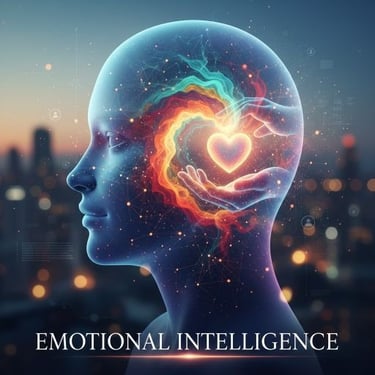
Leading with Heart: Why Emotional Intelligence Matters More Than Your MBA
Published in The Business Professional's Toolkit by Barry G. Autry
This is different look at emotional intelligence from my earlier post in October. I wanted to visit the subject again because of recent interactions outside of a business setting that had implications and applications within the business environment.
We've all been there. You're in a critical meeting, tensions are running high, and someone says something that pushes your buttons. Your heart rate spikes, your jaw clenches, and you're about to respond with something you'll probably regret. But then—you pause. You take a breath. You respond with grace instead of frustration.
That pause? That's emotional intelligence at work.
In today's fast-paced business environment, technical skills and industry knowledge will only take you so far. The real difference-makers—the leaders who inspire loyalty, build cohesive teams, and navigate complex challenges with wisdom—possess something deeper: emotional intelligence grounded in timeless principles.
More Than Just a Soft Skill
Let's be honest: "emotional intelligence" can sound like corporate buzzword bingo. But strip away the jargon, and you'll find principles that have guided effective leaders for thousands of years. The Bible didn't use the term "emotional intelligence," but it's filled with wisdom about understanding ourselves, managing our reactions, and connecting authentically with others.
Consider Proverbs 15:1: "A gentle answer turns away wrath." That's not just good advice for avoiding arguments at the dinner table—it's a fundamental principle of emotional regulation in leadership. When we respond thoughtfully instead of reactively, we create space for dialogue, collaboration, and resolution.
Or take James 1:19, which encourages us to be "quick to listen, slow to speak, and slow to become angry." In a world where everyone wants to be heard, the leader who actually listens stands out. Active listening isn't passive—it's one of the most powerful tools in your emotional intelligence toolkit.
The Four Pillars You Need to Know
Emotional intelligence rests on four interconnected pillars, each with deep biblical roots:
Self-Awareness: Before you can lead others effectively, you need to understand yourself. What triggers your stress? What drives your decisions? The Psalmist's prayer in Psalm 139:23-24—"Search me, God, and know my heart"—invites us into honest self-examination. Leaders who regularly reflect on their thoughts, emotions, and motivations make better decisions and build more authentic relationships.
Self-Regulation: Knowing yourself is one thing; managing yourself is another. Proverbs 16:32 reminds us that "better a patient person than a warrior, one with self-control than one who takes a city." In the heat of the moment, self-regulation allows you to choose your response rather than being controlled by your emotions. It's the difference between putting out fires and adding fuel to them.
Empathy: The ability to understand and share the feelings of others transforms leadership from transactional to transformational. The parable of the Good Samaritan isn't just about helping someone in need—it's about seeing beyond our own perspective to recognize the humanity in others. When team members feel genuinely understood, trust flourishes and collaboration deepens.
Social Skills: This is where it all comes together. Communication, conflict resolution, influence—these are the tools that turn emotional intelligence into tangible results. Proverbs 27:17 tells us "iron sharpens iron," reminding us that growth happens in relationship. Leaders who invest in building genuine connections create teams that are greater than the sum of their parts.
From Ancient Wisdom to Modern Workplace
The beauty of biblical emotional intelligence is that it's intensely practical. Take Moses, for example. Leading the Israelites out of Egypt wasn't just a logistical challenge—it was an emotional marathon. He dealt with complaints, fear, resistance, and constant pressure. Yet he remained steadfast, consistently reminding people of their purpose and keeping them focused on the vision. That's emotional intelligence in action: maintaining composure under pressure while keeping your team motivated and aligned.
Or consider Nehemiah, who faced the monumental task of rebuilding Jerusalem's walls. He didn't just issue orders and expect compliance. He listened to people's concerns, acknowledged their fears, and involved them in the planning. By creating ownership and addressing emotions, he turned a demoralized community into a unified, productive team.
These aren't just inspiring stories—they're blueprints for modern leadership. When you face resistance to change, channel Nehemiah's empathy. When stress threatens to derail your judgment, remember Moses' perseverance. When conflict erupts, apply Solomon's wisdom: pause, listen, and consider the emotional landscape before responding.
The Practical Path Forward
So how do you actually develop emotional intelligence? Here are some practices rooted in both scripture and proven leadership principles:
Practice Daily Reflection: Set aside time to examine your emotional responses. Journaling can be incredibly powerful—write about situations that triggered strong emotions, how you responded, and how you might respond differently next time. This isn't self-criticism; it's self-awareness in action.
Create Accountability: Proverbs 15:22 says, "Plans fail for lack of counsel, but with many advisers they succeed." Find trusted colleagues or mentors who will give you honest feedback about your leadership style and emotional responses. Growth happens in community.
Lead with Questions: Instead of assuming you understand a situation, ask. "Help me understand your perspective" or "What's concerning you about this?" opens dialogue and demonstrates genuine interest in others' experiences.
Respond, Don't React: When emotions run high, give yourself permission to pause. "Let me think about that and get back to you" is often wiser than an immediate response. Philippians 4:6-7 encourages bringing concerns to prayer—a practice that creates mental space and emotional clarity.
The Ripple Effect
Here's what makes emotional intelligence so transformative: it multiplies. When you lead with emotional awareness and empathy, you model those behaviors for your team. They, in turn, begin practicing the same principles in their interactions. Before long, you've created a culture where people feel safe to be authentic, conflicts are resolved constructively, and collaboration flows naturally.
This isn't just feel-good theory. Organizations with emotionally intelligent leaders report higher employee engagement, lower turnover, better customer relationships, and stronger bottom-line results. But more importantly, they create workplaces where people actually want to show up—where work has meaning beyond the paycheck.
Your Next Step
Developing emotional intelligence is a journey, not a destination. There will be days when you nail it and days when you fall short. The key is commitment to continuous growth, grounded in principles that have stood the test of time.
Whether you're leading a team of two or two hundred, managing a department or an entire organization, emotional intelligence isn't optional—it's essential. And the good news? These skills can be learned, practiced, and refined. With intentionality and a willingness to grow, you can become the kind of leader who not only achieves results but also builds people up in the process.
After all, business success is ultimately about people. And understanding people—starting with yourself—is what emotional intelligence is all about.
Check out Emotional Intelligence in the eBooks section and if you have teens in the house, why wait until they are grown for them to develop their emotional skills... Emotion Intelligence for Teens is a great place to start!
Contact us about customized solutions.
Quality Systems implementations, Business eBooks, Personal Growth eBooks, Financial Calculators, Health & Wellness Support, Books for Teens, and Business / Personal Templates
pathwaytopurpose11@gmail.com
+931-272-1041
© 2025. All rights reserved.